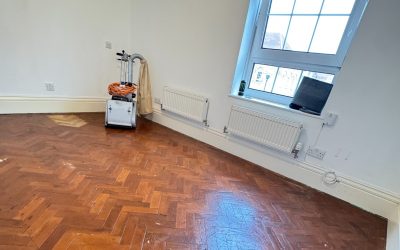

Freshly Restored Wood Floor? Avoid These 5 Common Mistakes
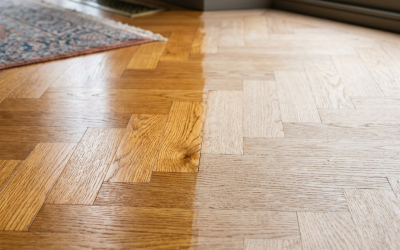
A beautifully restored timber floor can transform a property, but the finish only stays impressive if the floor is treated properly from day one. At Harrow Floor Sanding, we regularly see excellent sanding and sealing work undermined by simple aftercare mistakes that could have been avoided. Whether you have original Victorian pine boards, engineered timber, parquet blocks or hardwood strip flooring, knowing what not to do is just as important as choosing the right restoration contractor.
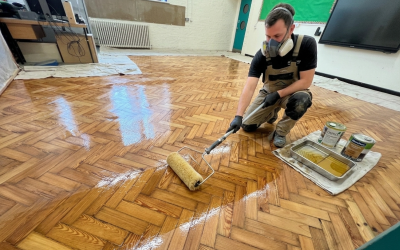
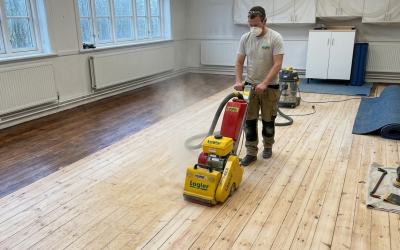
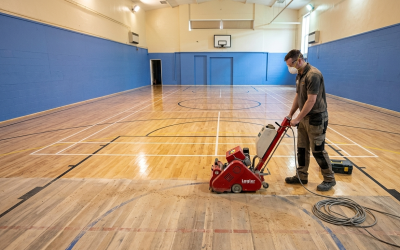
Across Harrow, North Harrow, Rayners Lane, Pinner, Kenton, Wealdstone and nearby areas, many householders invest in floor sanding to remove scratches, old finishes, uneven wear, paint splashes and years of surface damage. The restoration process can involve repairs, board replacement, gap filling, careful grit progression, dust-controlled sanding and the application of a protective finish such as lacquer, hardwax oil or oil. Once that work is complete, the floor looks clean, sharp and renewed. Unfortunately, it is also at its most vulnerable in the early days and weeks after the job.
If you want your newly restored floor to keep its colour, sheen, smoothness and durability for years rather than months, avoid the five mistakes below. These are the issues that most often lead to premature wear, dull patches, edge damage, staining, adhesion failure and costly rework.
Why Freshly Restored Wood Floors Need Special Care
When a wood floor has just been sanded and sealed, the protective coating may be dry enough for light foot traffic before it has fully cured. That distinction matters. “Dry” does not always mean “fully hardened”, and the early curing window is when avoidable pressure, moisture, grit and cleaning products do the most harm.
In practical terms, a newly restored floor needs time, stable indoor conditions and the right cleaning routine. In Harrow homes, that can be especially relevant in period properties where ventilation varies from room to room and where hallways, family kitchens and reception rooms often experience heavy use. A finish that looks immaculate on completion day can quickly lose that crisp, professional appearance if the room is put back into full use too quickly.
This is one reason clients should always follow the post-restoration advice given by their contractor. Different finishes have different drying and curing behaviour, and traffic levels, humidity, footwear, furniture handling and cleaning habits all affect the final long-term result.
Mistake 1: Walking on the Floor Too Soon or Too Heavily
The most common error is assuming the floor is ready for normal use far earlier than it really is. Many people hear that the surface is touch-dry or safe for light access and then immediately return furniture, allow pets into the room, drag dining chairs across the boards or resume normal family traffic.
This can mark the coating before it has properly hardened. On freshly lacquered floors, that may show up as fine scratches, pressure marks or dull traffic lanes. On oiled or hardwax-oiled floors, it can lead to patchy wear, uneven sheen or contamination before the finish has settled properly into the timber.
What can go wrong?
- Heel marks and scuffs become embedded in the new finish.
- High-traffic areas start dulling before the rest of the room.
- Chair legs leave visible pressure points.
- Pets scratch soft curing coats.
- Rugs or coverings trap vapour and interrupt curing.
What to do instead
Follow the exact access advice given for your finish system. Keep traffic light at first, avoid shoes that can mark the floor, and do not bring the room back into full family use immediately. If the restored area is a hallway or through-room, plan temporary alternative routes where possible. If it is a commercial setting, the reoccupation schedule should be matched to the finish used and the expected wear level.
If you are not sure what finish best suits a busy home, our guide to wood floor sanding in Harrow explains why preparation, finish choice and aftercare all matter to long-term performance.
Mistake 2: Dragging Furniture Back Without Protection
The second major mistake is moving furniture back too quickly and without proper floor protection. Even when the finish looks ready, dragging a sofa, bed frame, sideboard or dining table across the surface can score the coating and gouge the newly restored timber underneath.
This happens constantly in family homes after decorating or restoration work. People are understandably keen to get the room back to normal, but fresh wood floors need a gentler reintroduction. Heavy items concentrate pressure into a small footprint, and sharp chair feet or unprotected metal legs can undo professional sanding work in seconds.
Common examples we see
- Dining chairs scraping under repeated daily use.
- Sofas pushed back into place instead of lifted.
- Storage units twisted on the spot.
- Planters and pots placed directly onto the floor.
- Castor wheels marking the finish in home offices.
What to do instead
Wait until the floor is genuinely ready, then lift furniture rather than dragging it. Fit felt pads to chair legs, table legs and movable furniture before anything goes back into the room. Use breathable temporary protection if a trade has to return for follow-on work. For office chairs, install a suitable protective mat once curing has completed.
Entrance areas, dining zones and kitchen walkways need particular care because repeated friction causes early wear even on a properly sealed floor. This is especially true in busy Harrow family homes where children, pets and constant movement create concentrated stress on the same routes every day.
Mistake 3: Cleaning with Too Much Water or the Wrong Products
Another floor-killing mistake is over-wetting the timber or using the wrong cleaning chemicals. Many owners assume that because the floor is sealed, it can be cleaned like tile, laminate or vinyl. That is not the case. Wood floors and excessive moisture are never good companions, and strong detergents can strip or dull the protective layer.
A freshly restored floor is particularly sensitive because the finish is still settling into service. Saturated mops, steam cleaners, bleach-based products, harsh degreasers and generic supermarket cleaners can all create avoidable problems. The damage may not appear instantly; sometimes it begins as a haze, then develops into dullness, patchiness or edge darkening as moisture works into joints and weak spots.
Why this causes damage
- Excess water can seep into board joints and edges.
- Steam can stress coatings and timber movement.
- Unsuitable cleaners may leave residues or soften the finish.
- Harsh chemicals can reduce sheen and alter appearance.
- Wet cleaning too early can interfere with proper curing.
Best practice
Use a barely damp microfibre mop rather than a wet mop. Vacuum with a soft floor head or dry sweep first to remove grit. Only use a manufacturer-approved wood floor cleaner suited to the finish that has been applied. Avoid steam mops completely unless your contractor and finish manufacturer explicitly advise otherwise.
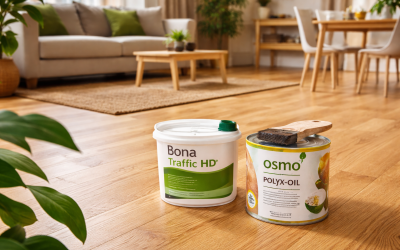
Industry guidance from organisations and product manufacturers is clear that finish-compatible maintenance matters. For further reference, see Bona’s wood floor coating guidance, Osmo’s Polyx-Oil product information and the wood flooring advice available from NAFWA.
Mistake 4: Letting Grit, Dust and Outdoor Dirt Build Up
One of the least dramatic but most destructive mistakes is failing to control grit. Tiny particles from shoes, pushchairs, pet paws and external footfall act like abrasive material under everyday use. On a restored floor, that means the finish starts to look tired much sooner than it should, especially in entrances, corridors and open-plan kitchen-living spaces.
In Harrow properties, the issue is often worst near front doors, garden access points and busy family circulation zones. Even high-quality finishes are not designed to resist constant grinding from fine grit without help from sensible housekeeping.
Typical signs of grit damage
- Dull traffic lanes near doorways.
- Fine scratches visible in daylight.
- A worn-looking path between rooms.
- Loss of clarity in satin or matt finishes.
- Earlier-than-expected maintenance coats.
How to prevent it
Use quality entrance mats both outside and inside main access points, but only once the floor is ready for them. Keep the floor free of abrasive dust with regular gentle vacuuming or dry microfibre cleaning. Ask family members and visitors to avoid outdoor shoes where practical. Trim pet nails and wipe paws in wet weather.
If the floor includes repaired joints, filled gaps or restored parquet edges, grit management becomes even more important. Our article on Harrow parquet floor sanding highlights how protection and maintenance affect the life of more detailed timber layouts.
Mistake 5: Ignoring Humidity, Spills and Room Conditions
Wood is a natural material, which means it responds to its environment. A newly restored floor can be compromised when room conditions are unstable or when spills are left sitting on the surface. People often focus entirely on scratches and forget that moisture balance also plays a major role in how a restored floor performs.
Sudden swings in indoor humidity, poor ventilation, drying clothes indoors, condensation near doors, wet pet bowls, plant leaks and repeated kitchen spills all place unnecessary stress on the timber and its finish. In period homes around Harrow, where subfloors, airflow and historic movement patterns can vary, ignoring those factors can shorten the life of the restoration.
Potential consequences
- Board edge lifting or slight cupping in vulnerable areas.
- Dark marks from standing moisture.
- Movement around previously filled gaps.
- Finish stress in rooms with unstable conditions.
- Localised wear around sinks, doors and radiators.
Smarter aftercare
Wipe spills promptly. Do not leave wet umbrellas, mop heads, shoes or pet bowls directly on the timber. Keep rooms reasonably ventilated and maintain stable indoor conditions where possible. If a room is known to suffer from damp, cold bridging or condensation, raise that before restoration begins so the right preparation and finish system can be selected.
Floor problems that appear to be “finish failure” are often environmental or maintenance-related. That is why professional preparation, moisture assessment and honest advice matter so much before sanding even starts.
Bonus Mistake: Using the Wrong Finish for the Way the Room Is Actually Used
Although this mistake happens before the floor is completed, it often becomes obvious afterwards. A floor restored with the wrong finish for the household’s lifestyle will age poorly no matter how good the sanding work was. For example, a hallway used by children, dogs and heavy daily foot traffic needs a different performance expectation from a spare bedroom.
Likewise, a parquet floor with intricate joints may need a different maintenance approach from wide pine boards in a Victorian terrace. The best restoration outcome is never just about appearance on day one; it is about matching the system to the building, the timber species, the subfloor condition and the client’s real day-to-day use.
Our existing post, Please do NOT do this when restoring parquet floors, covers several avoidable errors that reinforce the same principle: good long-term results come from correct technical decisions, not shortcuts.
How to Protect a Freshly Restored Floor Properly
To get the best value from your investment, keep the aftercare routine simple and consistent:
- Follow the contractor’s drying and curing instructions exactly.
- Keep foot traffic light at first.
- Do not drag furniture back into place.
- Use felt pads on movable furniture.
- Clean with a dry or barely damp microfibre system.
- Use only finish-appropriate wood floor cleaning products.
- Remove grit regularly before it scratches the surface.
- Wipe spills immediately.
- Maintain stable indoor conditions where possible.
- Book professional maintenance before wear becomes severe.
Why Professional Advice Matters
Every restored floor is different. Timber species, board width, previous coatings, floor movement, traffic levels and room conditions all influence what the floor needs after sanding. A reputable specialist should explain the likely drying schedule, curing window, cleaning method and maintenance expectations clearly before the job is signed off.
At Harrow Floor Sanding, that means helping clients protect the result rather than simply finishing the sanding and leaving. Whether you need minor repairs, full restoration, parquet re-sanding or guidance on the most durable finish for a busy family property, good advice is what keeps a restored floor looking restored.
If you are planning a project and want a clearer idea of likely service options, visit our floor sanding prices in Harrow page. If you would rather discuss your boards, parquet, traffic levels or finish choices directly, use our contact page to arrange a quote.
Final Thought
The biggest threats to a freshly restored wood floor are rarely dramatic. More often, they are everyday habits: too much water, too much traffic too soon, unprotected furniture, trapped grit and poor room conditions. Avoid those five mistakes and your floor has a far better chance of staying smooth, protected and attractive for years.
A professional wood floor restoration should not just make the timber look better for a weekend. It should improve durability, simplify maintenance and preserve the character of the floor long term. With the right sanding process, the right finish and the right aftercare, your Harrow wood floor can continue to look refined long after the restoration team has packed away the machines.