Family-Friendly Eco Floor Finishes for Busy Harrow Homes
If you are choosing a finish for a busy family home in Harrow or wider North London, the right answer is rarely the cheapest tin on the shelf. It is the finish that protects timber properly, keeps indoor odours and disruption down, suits children and pets, and matches how your household actually lives. At Harrow Floor Sanding, we help homeowners choose between modern waterborne lacquers, natural hardwax oils, and specialist low-odour systems that balance durability, appearance and maintainability for real family life.
For households with toddlers, school-age children, pets, buggies, dining chairs, kitchen footfall and the usual spills, “eco-friendly” should never mean delicate. It should mean lower-VOC, lower-odour, sensibly specified and professionally applied. That is the difference between a finish that looks good for a few months and one that still performs properly years later.
Why eco-friendly floor finishes matter more in family homes
In Harrow family homes, timber floors are under constant daily pressure. Hallways take grit from shoes. Kitchens see water drips, food splashes and chair movement. Living rooms get toys, pets and repeat traffic patterns. Bedrooms may be calmer, but parents still want a finish that does not leave the house smelling harsh for days or require constant anxiety over every mark.
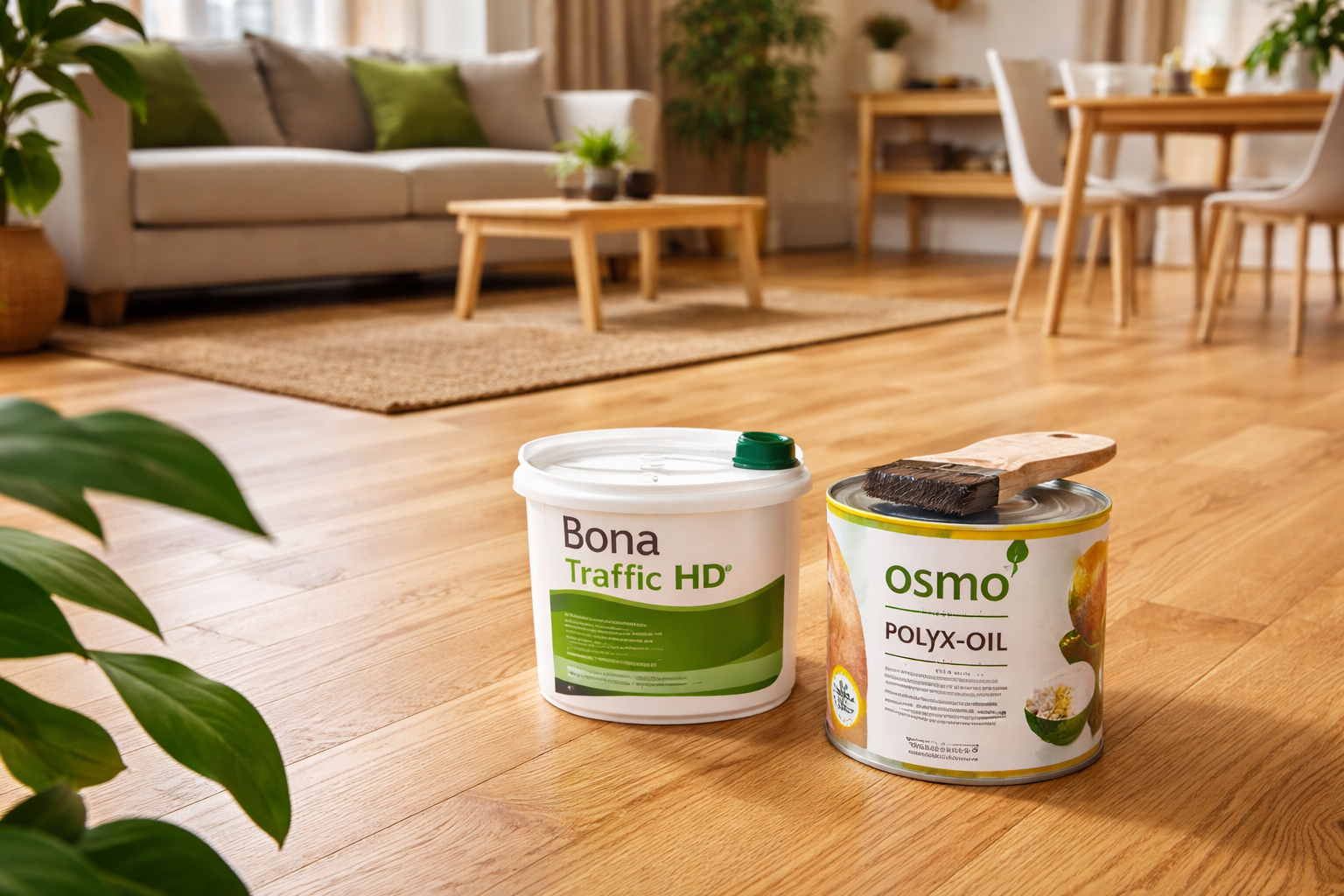
That is why modern finishing has moved decisively towards advanced waterborne lacquers and high-quality hardwax oils. Premium systems are designed to reduce odour, improve indoor air comfort and offer better long-term performance than older, solvent-heavy products. Bona states that Bona Traffic HD is a waterborne, low-VOC finish with strong scratch, scuff and chemical resistance, while Osmo describes Polyx-Oil Original as highly durable, water- and dirt-resistant, microporous and suitable for wooden floors.
For families, that translates into four practical priorities:
- lower odour during and after finishing
- strong protection against everyday wear
- easier maintenance over the life of the floor
- a healthier, more comfortable home environment during the restoration process
What “eco-friendly” should mean when choosing a wood floor finish
Plenty of finishes are marketed as natural, green or environmentally aware, but that language can be vague. For a family home, a sensible definition is narrower. The best eco-conscious wood floor finish should combine low emissions, good coverage, long service life, straightforward maintenance and compatibility with the timber species and room use.
A finish that wears out quickly is not especially sustainable, because it forces earlier recoating, more materials, more labour and more disruption. Likewise, a finish that looks attractive but cannot cope with a Harrow hallway, kitchen-diner or family living space is a false economy.
We therefore assess finishes on these criteria:
- VOC and odour profile
- resistance to scuffs, spills and abrasion
- repairability and maintenance cycle
- how natural or enriched the timber will look
- compatibility with underfloor heating and seasonal movement where relevant
- suitability for period pine boards, parquet and modern engineered flooring
The main eco-friendly finish options for Harrow homes
1) Waterborne lacquer: the best all-round choice for many busy families
For many households, a premium waterborne lacquer is the strongest overall option. It gives a sealed surface, excellent day-to-day protection and lower odour than older solvent-led systems. It is especially practical in hallways, reception rooms, children’s bedrooms and open-plan family areas where durability matters most.
Products in the Bona range are widely specified because they combine professional-grade wear resistance with a low-VOC, waterborne formulation. Bona’s current technical literature for Traffic HD highlights very low VOC content, low odour, strong resistance to wear and a rapid return to service compared with traditional finishes.
Why families like it:
- lower odour than old-style solvent finishes
- excellent protection against repeated footfall
- good resistance to spills when maintained correctly
- available in matt and extra matt looks that suit modern interiors
- works well where easy cleaning is a priority
Best suited to: hallways, dining rooms, family lounges, children’s rooms and high-traffic circulation spaces.
2) Hardwax oil: the natural-looking eco-conscious option
Hardwax oil is often the preferred choice for families who want a more natural timber appearance and a finish that can be locally maintained rather than fully stripped at the first sign of wear. Osmo states that Polyx-Oil Original is highly durable, abrasion-resistant, resistant to common liquid spillages and microporous, meaning it allows the wood to breathe rather than forming a brittle film on top.
That breathable quality can be especially appealing on older floorboards in Harrow period properties, where seasonal movement is part of the building’s character. Hardwax oil also tends to enrich grain and create a warmer, more tactile finish than lacquer.
Why families like it:
- natural, premium appearance
- pleasant, low-sheen finish options
- spot maintenance can be easier in some cases
- good water and dirt resistance when properly maintained
- excellent on characterful timber, including older pine and oak
Best suited to: living rooms, bedrooms, period homes, feature boards, lower-to-medium traffic family areas and clients who value appearance and repairability.
3) Natural oil systems: attractive but usually more maintenance-heavy
Traditional oil finishes can look beautiful, but in hard-working family homes they often need more frequent maintenance than top-tier waterborne lacquer or a high-performance hardwax oil. They remain an option for clients who prioritise a very natural look and are comfortable with the upkeep, but they are usually better specified selectively rather than automatically throughout the whole home.
Harrow Floor Sanding’s own pricing structure reflects these distinctions, listing separate service options for lacquer, hardwax oil and wood floor oil.
Which finish is best for different rooms in a Harrow family home?
Hallways and entrances
The hallway is the hardest-working floor in most homes. Grit, pram wheels, wet shoes and repeat traffic all concentrate here. For that reason, a high-grade waterborne lacquer is usually the most practical eco-friendly choice. A product in the Bona high-traffic category is commonly the right fit where resilience comes first. Harrow Floor Sanding also lists an upgrade option for high-traffic lacquer on its pricing page, which aligns with that real-world specification logic.
Living rooms
Living rooms give you more flexibility. If you want crisp protection and easy cleaning, lacquer is ideal. If you want a warmer, more natural finish on attractive timber, hardwax oil is often the better visual choice. In family lounges with pets and regular toy use, the final decision often comes down to whether you prioritise maximum film strength or easier local repairability.
Kitchens and kitchen-diners
These rooms need a finish that tolerates occasional water splashes, chair movement and constant use. A durable waterborne lacquer is often the safer family option, though hardwax oil can perform very well when correctly maintained and used in households willing to stay on top of cleaning and refresher care.
Bedrooms and loft rooms
Bedrooms are usually more forgiving, so many families choose hardwax oil here for its softer, natural look. It works particularly well on pine floorboards in Edwardian and Victorian properties across Harrow and North London.
Parquet floors
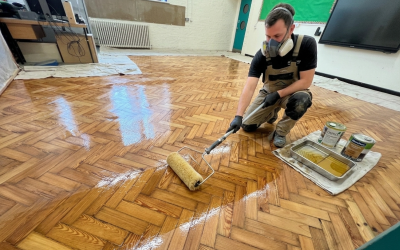
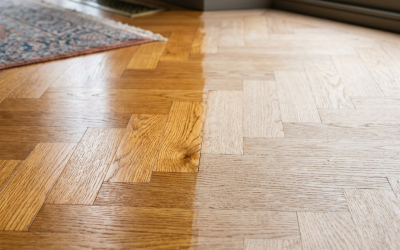
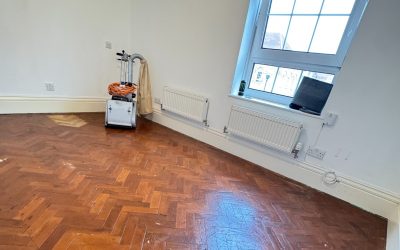
Parquet deserves finish selection based on both visual intention and traffic level. If you want a clean, contemporary appearance with strong wear resistance, matt lacquer performs well. If you want the block pattern and grain to feel richer and more characterful, hardwax oil often gives the more luxurious result.
Harrow housing stock changes the right answer
Not every family home in Harrow behaves the same way. A 1930s semi in Harrow, a flat conversion with engineered boards, and a Victorian house with original pine floorboards all present different finishing considerations.
Older boards often have movement, historic repairs, minor cupping, draught paths and variable absorbency. That affects both preparation and finish choice. In homes with older pine, we look carefully at moisture-content mapping, subfloor stability, previous coatings and gap behaviour before finalising the system. On structurally lively floors, a breathable hardwax oil can sometimes be the more sympathetic finish. On flatter, harder-wearing family routes, lacquer often wins on practicality.
This is why professional sanding and specification matter. Harrow Floor Sanding’s live pricing page already separates restoration components such as sanding, staining, gap filling with resin for narrow gaps, reclaimed pine slivers for wider gaps, and flexible systems for larger movement-prone gaps. That supports a more tailored family-home finish strategy rather than a one-size-fits-all approach.
Eco-friendly does not mean compromise on durability
One of the biggest myths in residential floor restoration is that greener products are automatically less durable. That is outdated thinking. High-end modern waterborne systems are engineered specifically to deliver strong wear performance while keeping VOCs and odour lower than older technologies. Bona’s latest Traffic HD documentation explicitly positions the product around high-performance, low-VOC technology and fast return to traffic.
Similarly, premium hardwax oils are no longer niche decorative finishes. Osmo’s current product information emphasises durability, water resistance, dirt resistance and abrasion resistance, which is exactly why these finishes are so widely used in quality domestic interiors.
The real issue is not whether an eco-friendlier finish can perform. It is whether the correct finish has been chosen for the room, the timber and the family’s maintenance expectations.
Our professional recommendation for most Harrow family homes
If you want the most straightforward answer, it is this:
- Choose premium waterborne lacquer for the busiest family zones where maximum surface protection and simple cleaning matter most.
- Choose hardwax oil where you want a warmer natural look, easier local maintenance and a more breathable finish on character timber.
For many Harrow homes, the best solution is a blended specification rather than one finish throughout the whole property. Hallways, kitchens and family dining spaces may justify a tougher lacquer system, while bedrooms and reception rooms benefit from hardwax oil aesthetics.
If you are comparing finish packages, our floor sanding prices in Harrow page is a useful starting point because it shows the practical differences between lacquer, hardwax oil and oil-based service options. It also makes clear that premium finish upgrades are part of a professional restoration strategy rather than an afterthought.
How proper floor preparation affects eco-friendly finish performance
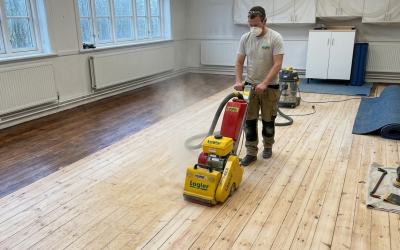
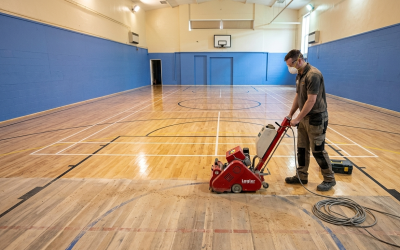
Even the best finish will fail early if the preparation is poor. Correct sanding sequence, edge work, resin filling where appropriate, board repairs and dust extraction all affect how cleanly the finish bonds and how evenly it cures. On older domestic boards, we often work through grit progressions such as 36, 60, 80 and 120 depending on timber species, flatness and previous coatings.
Where gaps are present, the filling method also matters. Narrow gaps may be suited to a resin-and-sanding-dust approach; wider period gaps may require reclaimed slivers; more movement-prone scenarios may need flexible solutions instead. Harrow Floor Sanding publishes separate price lines for these different methods, which reflects real technical differences in repair strategy.
That groundwork is what allows a low-odour, family-friendly finish to perform like a premium system instead of a cosmetic topcoat.
Maintenance tips to keep eco-friendly finishes looking better for longer
- Use felt pads under dining chairs and movable furniture.
- Keep entrance mats at external doors to reduce grit.
- Wipe spills promptly, especially around kitchen and dining areas.
- Avoid over-wetting timber floors during cleaning.
- Use products approved for your finish type rather than generic supermarket cleaners.
- Book maintenance before wear goes through to bare timber.
Long service life is part of sustainable thinking. The longer a finish performs well, the less often your floor needs major intervention.
Conclusion: the best eco-friendly finish is the one that suits your family’s actual life
There is no single finish that is right for every Harrow property. But there is a right finish for your timber, your traffic levels and your household routine. For many Harrow homes, that means a premium low-VOC waterborne lacquer in the hardest-working areas and a quality hardwax oil where warmth, natural character and local repairability matter more.
If you want clear advice based on your floorboards, room use and restoration goals, contact Harrow Floor Sanding for a professional assessment. We can advise on the most family-friendly eco-conscious finish for your home, whether you are restoring original pine boards, refreshing parquet or upgrading a worn modern timber floor.