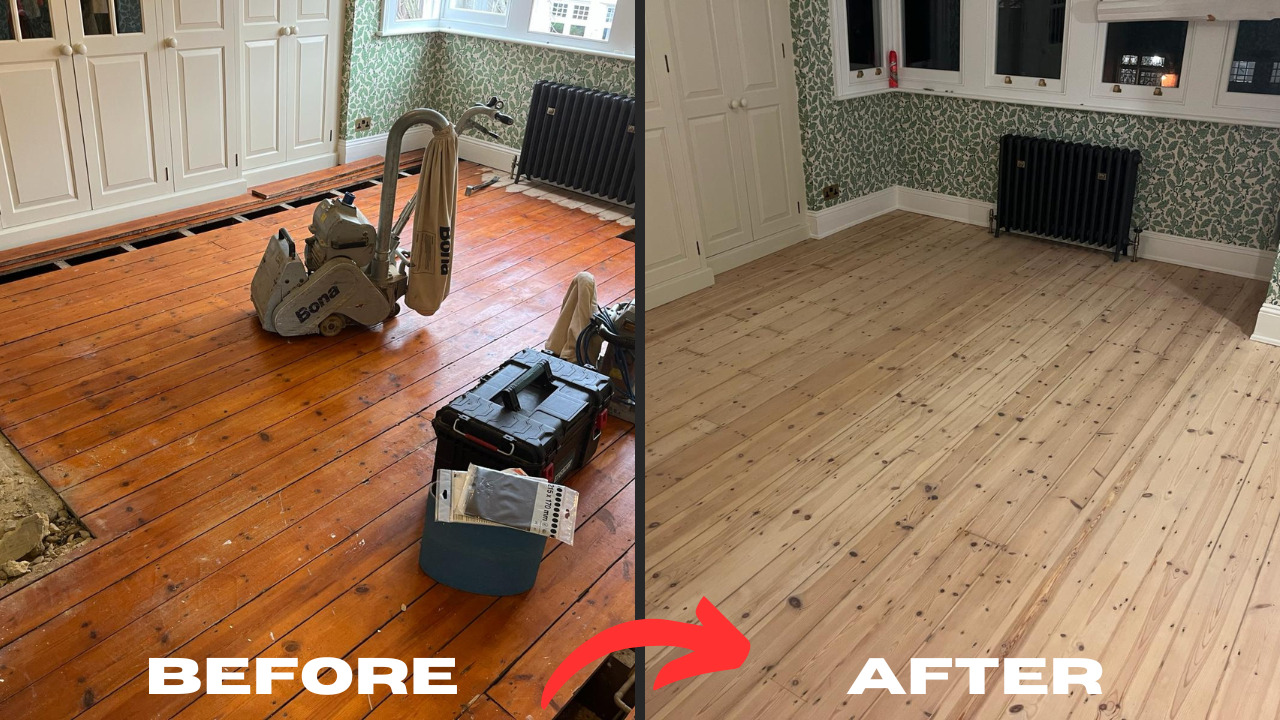
How Wood Floor Sanding Can Transform Dull Boards into Stunning Floors
If your once-beautiful timber boards in Harrow now look dull, scratched or patchy, you’re not alone. Harrow’s period terraces, 1930s semis and modern apartments are full of original wooden floors that have quietly taken a beating from busy family life, pets, furniture moves and the wrong cleaning products.
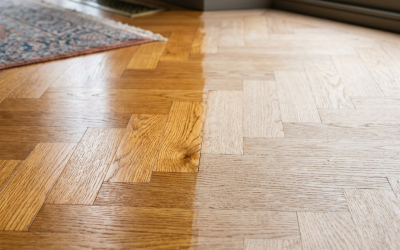
The good news? With professional wood floor sanding in Harrow, those tired boards can usually be brought back to life without the cost and disruption of a full replacement. Done properly, sanding doesn’t just “make things look a bit better” – it removes damage, levels the surface and gives you a clean, smooth canvas for a fresh, hard-wearing finish.
In this guide, we’ll walk through exactly how to restore dull boards the right way, why the process matters, and what to expect when you book a specialist from a local team like Harrow Floor Sanding.
Why Wood Floors in Harrow Lose Their Shine
Before talking about sanding, it helps to understand what’s gone wrong with your existing finish. Most wooden floors in Harrow become tired because of a combination of:
1. Everyday Wear and Tear
- Foot traffic slowly cuts through the protective seal (lacquer, oil or wax).
- Grit from shoes acts like sandpaper, leaving fine scratches all over the surface.
- Chairs, prams and furniture legs leave deeper scuffs and dents.
Over time, the protective layer wears away completely in the busiest areas – hallways, landings, in front of sofas and at kitchen entrances. Once bare wood is exposed, it begins to absorb dirt and moisture, making boards look grey, dull and patchy.
2. Water and Spills
Kitchens, dining rooms and hallways suffer from:
- Spilled drinks and pet bowls.
- Wet shoes and umbrellas by the door.
- Steam from radiators and heating changes.
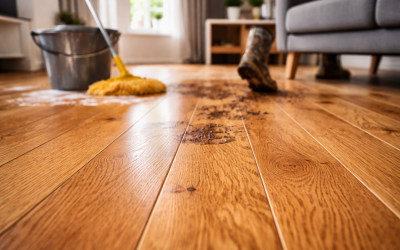
If the finish is already thin, water sits on the timber, leading to staining, raised grain and in some cases minor cupping (where board edges lift slightly).
3. Wrong Cleaning Products
Many Harrow homeowners are surprised to learn that “miracle” supermarket floor cleaners can actually damage wood finishes. Silicone-based polishes and heavy detergents can:
- Leave a greasy, streaky film.
- React with old lacquer, causing clouding.
- Make future sanding and finishing more complicated.
4. Historic DIY “Fixes”
Older floors in Harrow often show the effects of previous DIY jobs:
- Patchy hand-sanding around the edges.
- Random boards replaced with the wrong timber.
- Layers of dark stain or varnish applied straight over dirt.
All of this can be corrected, but it requires proper wood floor sanding using professional equipment and the right sequence of abrasives – not just a quick once-over with a hire-shop sander.
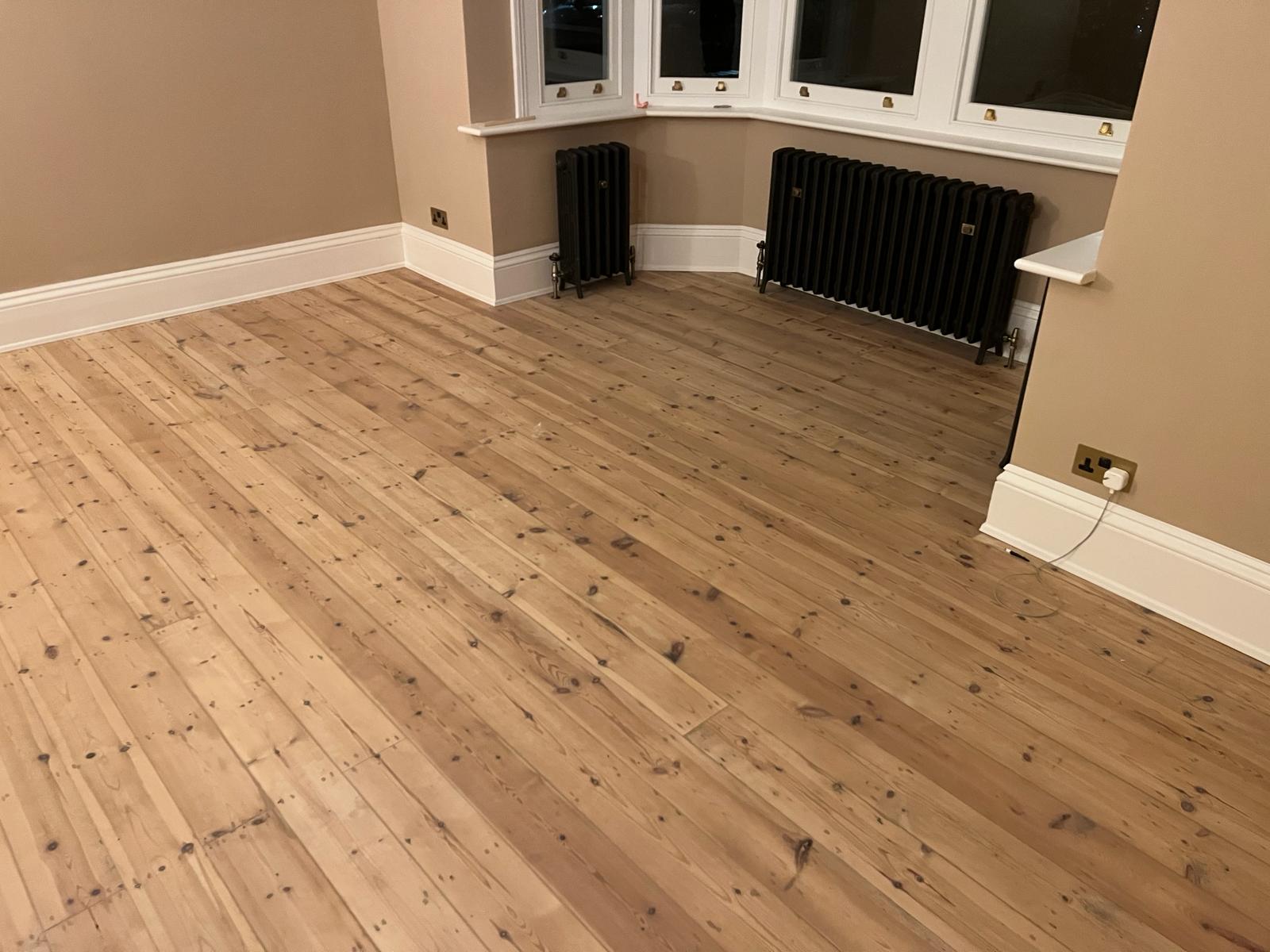
What Wood Floor Sanding Actually Involves
Many people imagine sanding as simply “running a machine over the floor”. In reality, professional wood floor sanding in Harrow is a structured, multi-stage process that:
- Repairs and stabilises the floor.
- Levels and smooths the timber.
- Prepares the surface for the chosen finish.
A typical sanding and restoration service from a specialist like Harrow Floor Sanding will usually include:
- Inspection & moisture checks – to identify loose boards, movement, damp patches or previous coating issues.
- Repairs & preparation
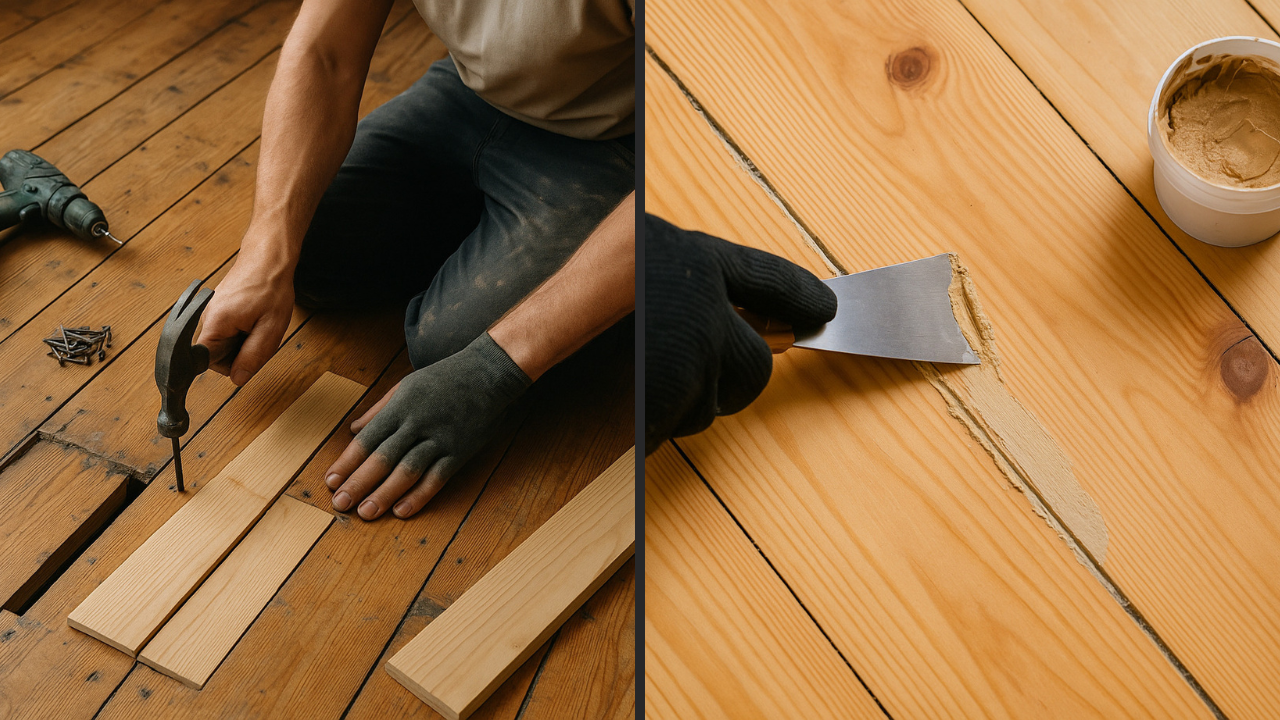
- Re-fixing wobbly boards.
- Replacing badly damaged sections with matching timber.
- Punching down protruding nails and screws.
- Dust-controlled sanding
- Heavy sanding to remove old paint, varnish and deep scratches.
- Intermediate sanding to level the surface.
- Fine sanding to create a smooth, uniform finish ready for sealing.
- Gap filling (where needed)
- Resin bond for smaller gaps.
- Timber strips for larger gaps between floorboards.
- Staining (optional)
- To achieve a richer tone, darker look or subtle colour change.
- Sealing with modern finishes
- Durable lacquer, hardwax oil or natural oil, depending on the room and style.
By the time the last coat goes on, you’re not just seeing a cosmetic improvement – you have a fully restored floor, with a new protective system designed to last for years with basic maintenance.
DIY vs Professional Wood Floor Sanding in Harrow
The big question many Harrow homeowners face is whether to hire a professional or attempt DIY wood floor sanding with rental equipment. It’s tempting to try it yourself, but there are a few important points to consider.
Advantages of Professional Sanding
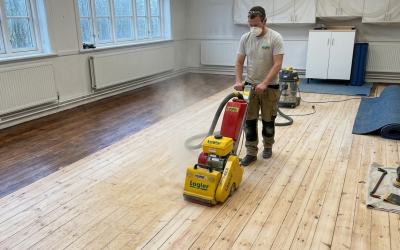
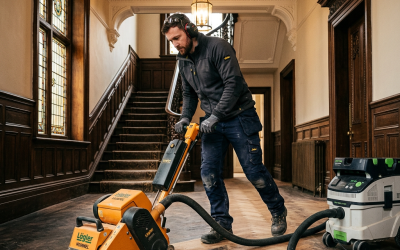
- Dust control – Modern, trade-only sanders connect to powerful extraction units, keeping the process up to 99% dust-free. That means your home, belongings and lungs are far better protected.
- Level, even results – A pro knows how to work the machine so you don’t end up with “waves” or divots across the floor.
- Correct sanding sequence – Choosing the right abrasive grits and directions is crucial for removing old finishes without leaving swirl marks.
- High-grade finishes – Trade lacquers and oils are tougher and more stable than many DIY products.
- Speed & convenience – An experienced team can complete a full floor far quicker than a novice, minimising downtime in busy Harrow households.
Risks of DIY Sanding
- Gouges and drum marks that may be impossible to sand out again without taking off too much timber.
- Patchy colour where some areas are over-sanded and others under-prepared before staining.
- Dust everywhere, especially if the rental sander has poor extraction or worn bags.
- Short-lived finish, because cheaper products may wear quickly in high-traffic areas.
For small areas like a tiny box room, confident DIYers may have some success. But for most homes – especially period properties in Harrow with original boards and parquet – professional sanding is the safer long-term investment.
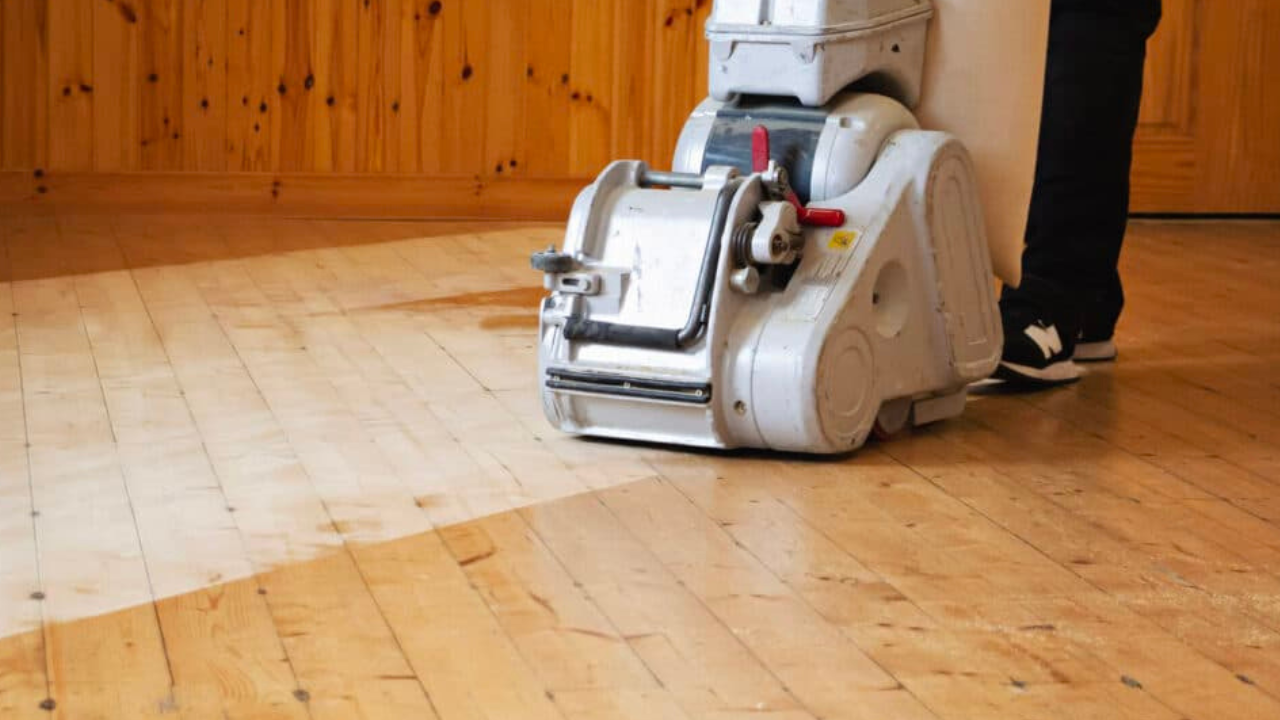
Step-by-Step: How We Restore Dull Boards the Right Way
Here’s how a full wood floor sanding in Harrow project typically runs from start to finish.
1. Site Visit and Assessment
A specialist comes out to your Harrow home to:
- Check the type and condition of your floor (pine boards, oak parquet, engineered planks, etc.).
- Identify repairs needed and any previous coatings.
- Discuss your preferred finish and colour.
- Measure up for an accurate quote.
Local teams like Harrow Floor Sanding often offer this as a free, no-obligation assessment.
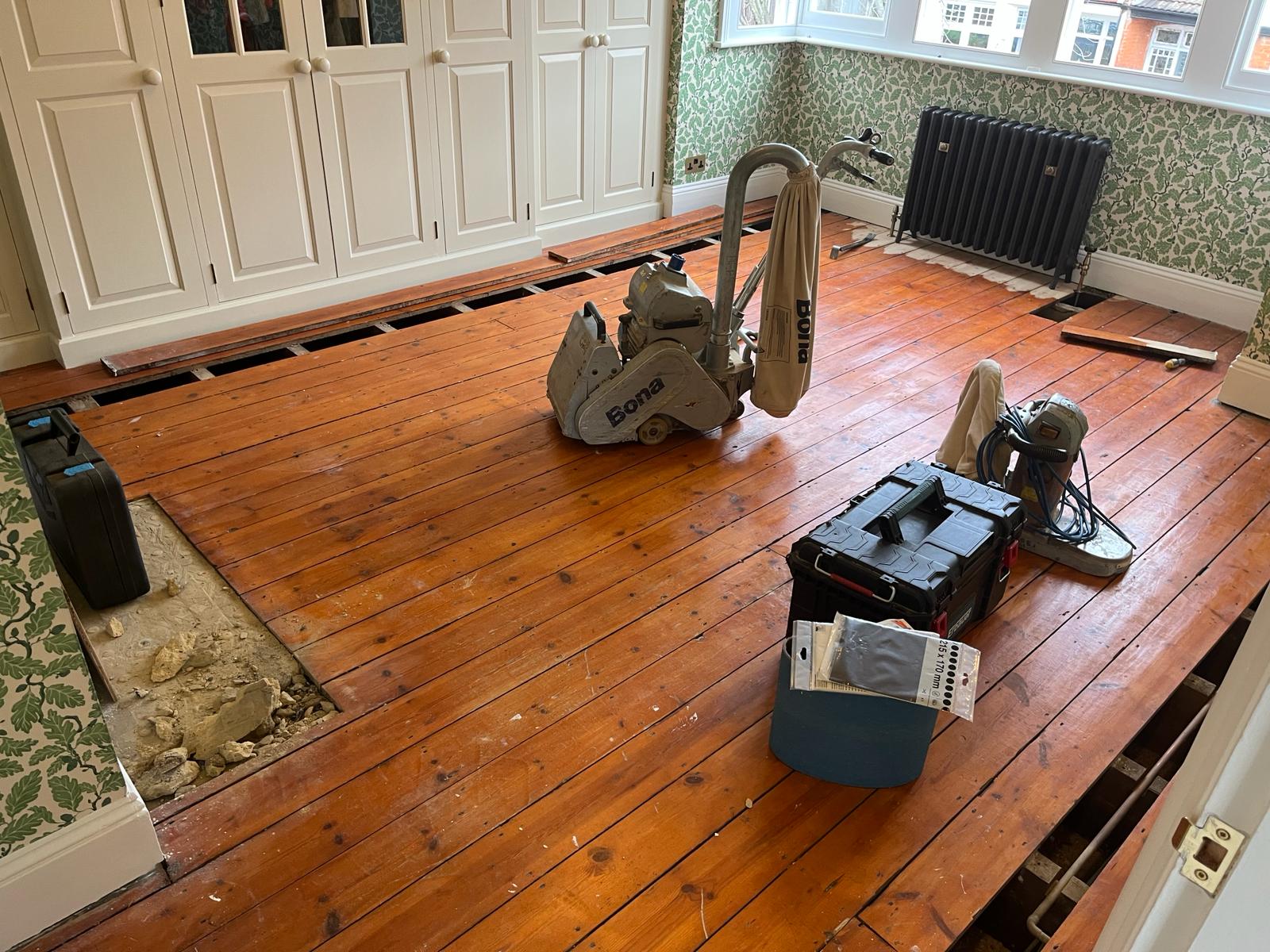
2. Preparation and Repairs
Before the machines start, the room is carefully prepared:
- Larger furniture is moved out or carefully stacked and protected.
- Old carpet, underlay, gripper rods and staples are removed.
- Protruding nails are punched below the surface.
- Loose boards are screwed or nailed down; damaged ones are replaced.
This is a crucial step: a well-prepared sub-floor sands more evenly and feels solid underfoot afterwards.
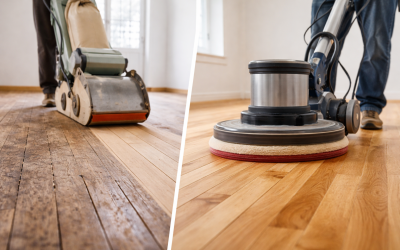
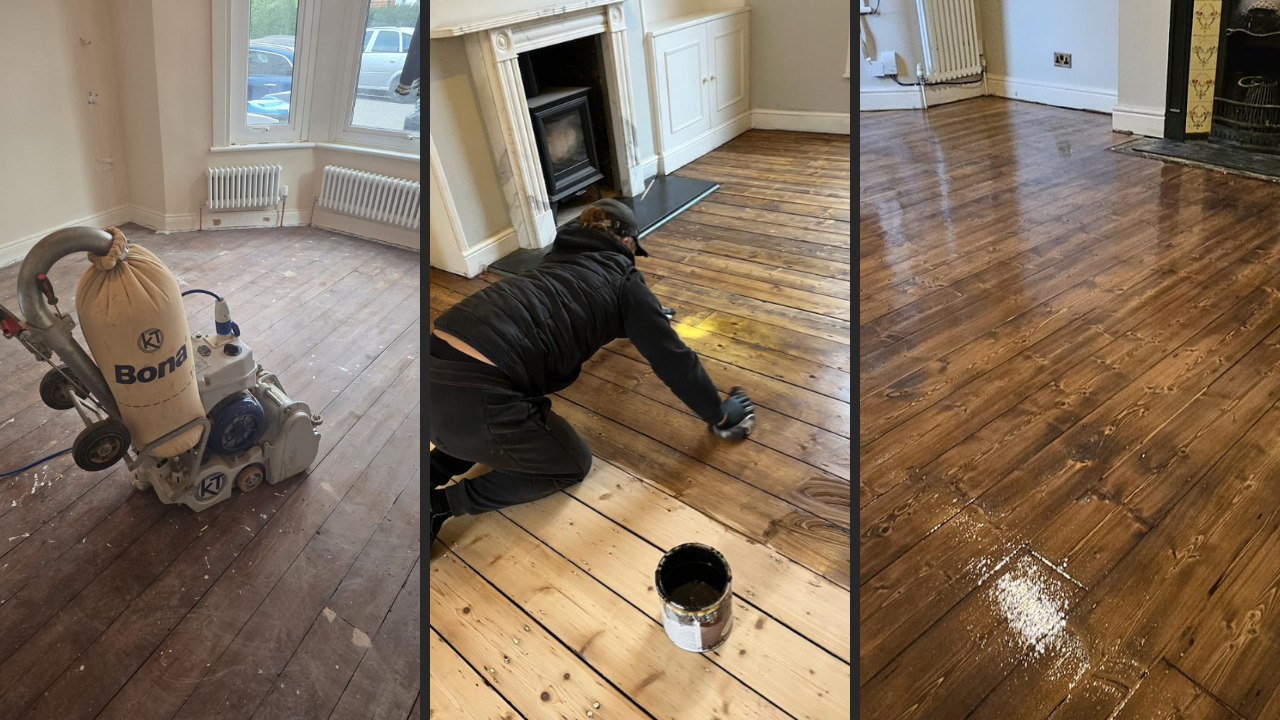
3. Heavy Sanding Pass
Using a powerful belt or drum sander, the contractor makes the first passes with a coarse grit to:
- Strip away old varnish, paint and wax.
- Remove deep scratches and surface staining.
- Flatten uneven boards.
Edge sanders are used around skirting boards, under radiators and in corners so the whole floor matches.
4. Intermediate & Fine Sanding
The grits are gradually stepped down to medium and fine levels. This:
- Refines the surface.
- Removes scratch patterns from the coarser grits.
- Prepares the timber for a smooth finish.
At this point, gap filling is carried out if needed – using either resin mixed with dust from your floor (for a colour match) or slivers of timber for wider gaps.
5. Staining (If Requested)
If you’d like a deeper oak tone, a modern grey wash or a classic medium brown, this is where wood floor staining is applied. Test patches are often done on your actual boards so you can see how the colour looks in your Harrow home’s natural light.
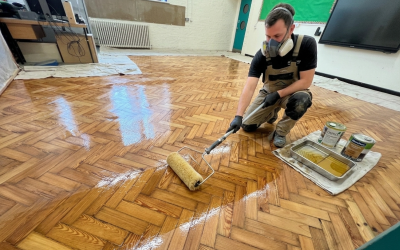
6. Sealing and Finishing
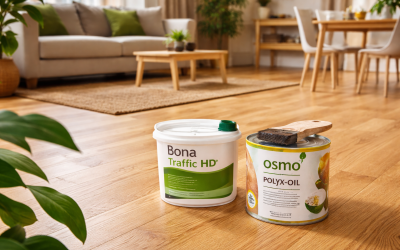
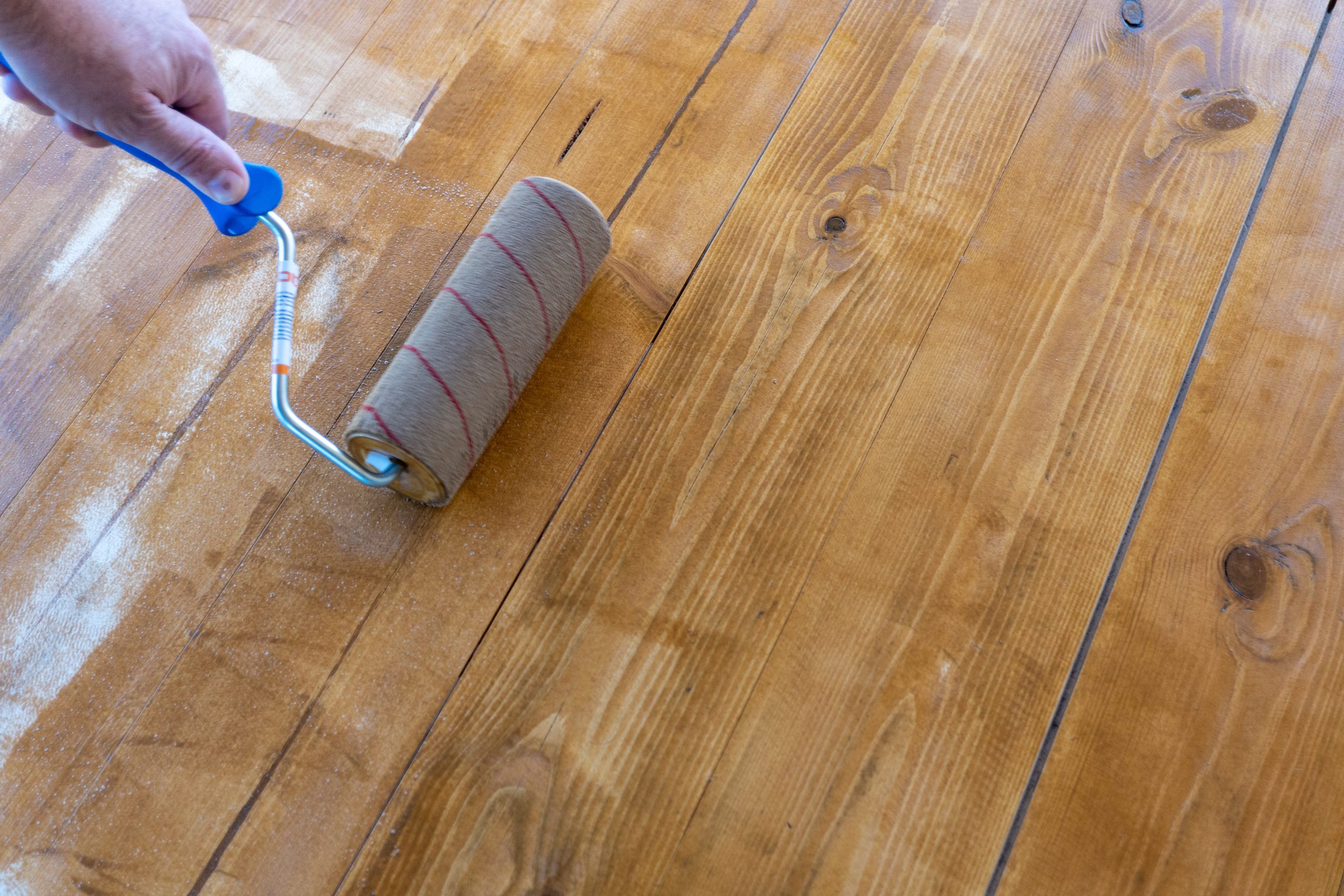
Finally, several coats of your chosen finish are applied, with light de-nibbing between coats where needed. Common options include:
- Polyurethane lacquer – very durable, ideal for busy hallways, living rooms and commercial spaces.
- Hardwax oil – a warm, natural look with good resistance, popular in lounges and bedrooms.
- Natural or coloured oils – for a more traditional feel and easy local repairs.
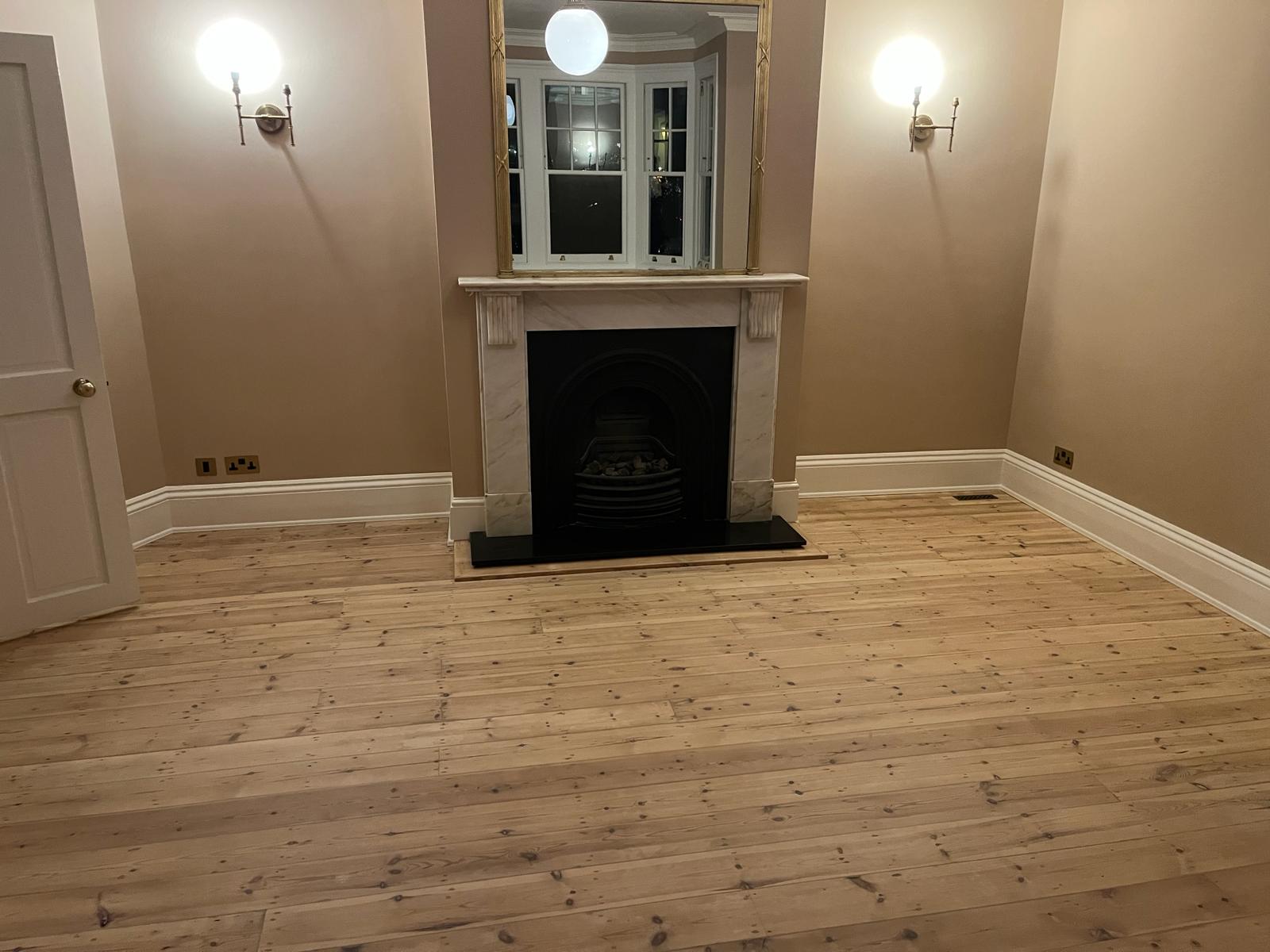
Once cured, you’re left with beautifully restored boards that are smooth underfoot, easy to clean and properly protected.
Wood Floors We Sand and Restore in Harrow
Harrow’s housing stock is varied, and so are its floors. A good local contractor will handle all of the following:
Original Pine Floorboards
Common in Edwardian and 1930s homes across Harrow, original pine boards often hide under old carpets. Once sanded and sealed, they can look fresh and characterful again – knots, grain and all.
Solid Hardwood Floors
Many properties feature solid oak, beech or other hardwoods. Hardwood floor sanding in Harrow removes years of wear and can be combined with staining to modernise the look without replacing the timber.
Parquet and Herringbone Floors
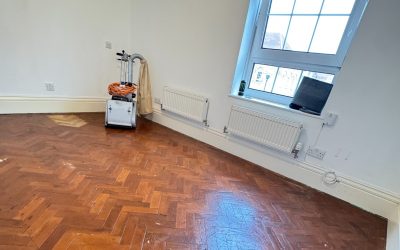
Classic blocks and herringbone patterns are a feature in hallways and reception rooms. Parquet floor sanding and restoration requires more detailed work – re-fixing loose blocks, careful sanding across the grain and sometimes replacing missing pieces – but the results are stunning.
You can easily discuss parquet floor sanding in Harrow with a local specialist via Harrow Floor Sanding’s contact page.
Engineered Wood Floors
High-quality engineered floors can often be sanded once or twice, depending on their wear layer. A professional will check this before starting to ensure there’s enough timber to work with.
Staircases and Landings
Stair sanding and refinishing is a brilliant way to tie your hallway and landing together. Treads and risers can be stripped, sanded and finished, with stair nosings carefully detailed for a crisp result.
Commercial and Community Spaces
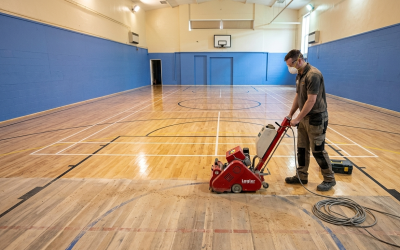
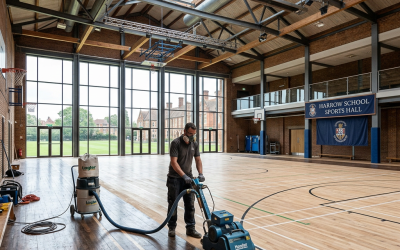
Shops, offices, gyms, schools and community halls in Harrow also benefit from commercial floor sanding and sealing, using tough finishes designed for higher footfall and easier maintenance.
Choosing the Right Finish for Your Harrow Home
Your finish will affect both the look and the long-term performance of your restored floors. A good Harrow floor sanding specialist will talk you through options, but here’s a quick overview.
Lacquer (Varnish)
- Best for: busy family homes, hallways, kitchens, commercial areas.
- Look: from natural matt through to satin or semi-gloss.
- Pros: highly durable, easy day-to-day care (vacuum and damp mop).
- Cons: if badly damaged, larger areas may need re-sanding rather than spot repairs.
Hardwax Oil
- Best for: lounges, bedrooms, dining rooms and characterful spaces.
- Look: warm and natural, enhances the grain.
- Pros: breathable, can be locally repaired in worn patches.
- Cons: usually needs more regular maintenance coats than lacquer.
Traditional & Coloured Oils
- Best for: period homes, rustic finishes and subtle colour changes.
- Look: from very natural to rich, darker tones.
- Pros: easy to refresh; appealing tactile feel underfoot.
- Cons: often slightly lower surface protection than modern lacquers.
When you book wood floor sanding in Harrow, think about how each room is used, how much sunlight it gets and how much cleaning you’re prepared to do. Your contractor can then recommend the most suitable product range.
How Long Does Wood Floor Sanding Take in Harrow?
Timings vary, but as a rough guide:
- Small room (10–15 m²): usually 1 day for sanding and first coats, with a short return visit for top coats if needed.
- Typical lounge or through-reception: 1–2 days, depending on repairs and finish type.
- Whole ground floor: 2–4 days, especially if there’s parquet, stairs or complex repairs.
Drying times depend on temperature and humidity, but many modern lacquers allow light foot traffic within 3–4 hours and furniture back in 24–48 hours (often without dragging, just lifting into place). Oils may require longer before heavy use or rug placement.
A reputable Harrow floor sanding company will always explain:
- When you can walk on the floor in socks.
- When to move furniture back.
- When it’s safe to put rugs down.
Looking After Your Newly Sanded Floors
Once your boards have been restored, a little care will keep them looking good for years. Most Harrow specialists (including Harrow Floor Sanding) offer simple aftercare advice with each job.
Do:
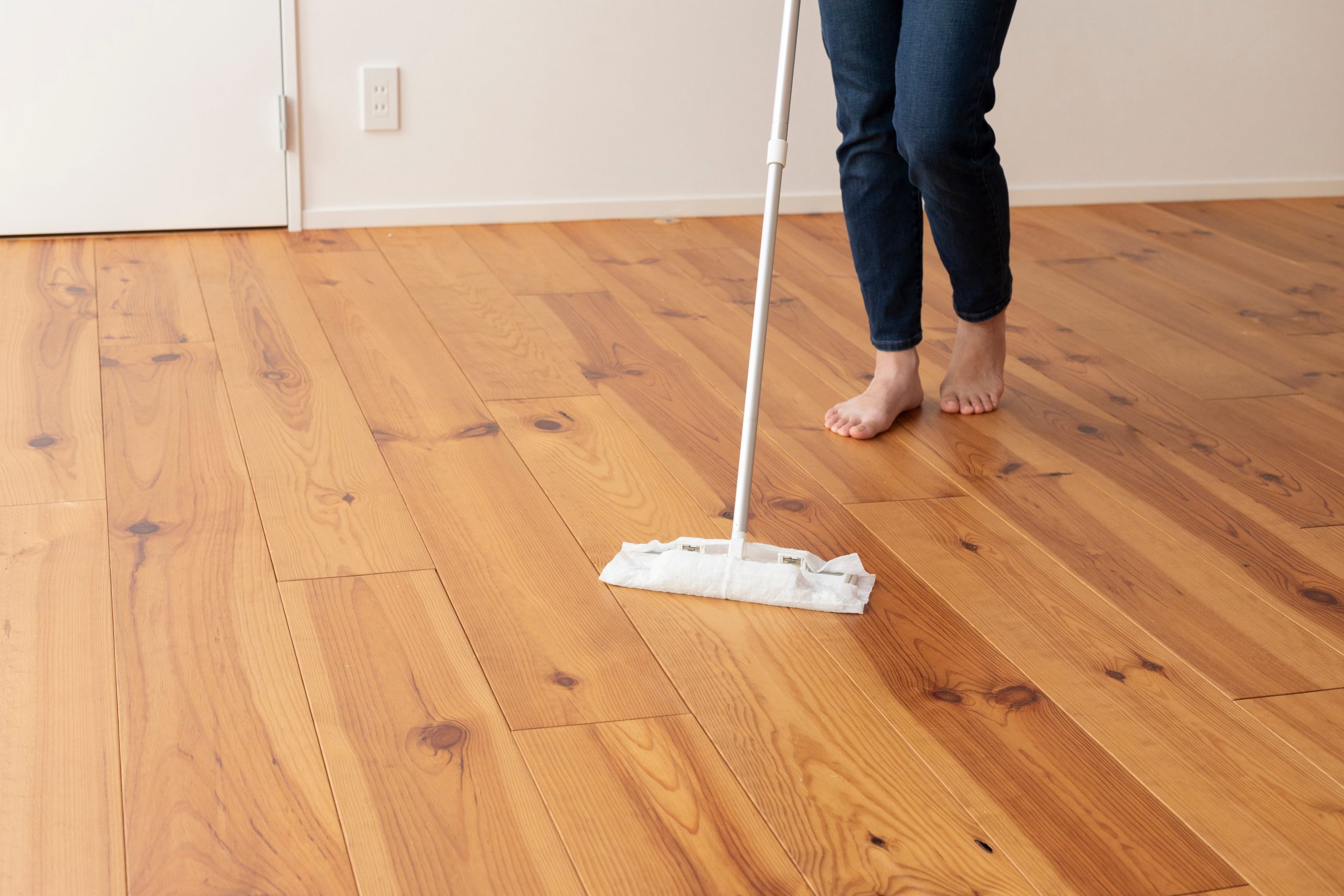
- Use a soft-bristle broom or vacuum with a hard-floor attachment to remove grit.
- Clean with a pH-neutral wood floor cleaner, not general detergents.
- Put felt pads under furniture legs, especially dining chairs and sofas.
- Use doormats at entrances to reduce dirt and moisture.
- Wipe up spills quickly with a slightly damp cloth.
Avoid:
- Steam mops – they force moisture into the timber and can damage finishes.
- Heavy bleach or ammonia-based cleaners.
- Dragging heavy furniture across the floor – always lift where possible.
With the right maintenance, you may only need a light buff and re-coat after several years rather than a full re-sand.
Frequently Asked Questions about Wood Floor Sanding in Harrow
Will sanding make a mess of my home?
Modern dust-extraction systems collect the vast majority of dust at source, so there’s far less mess than most people expect. Sensitive items can be covered, and rooms are usually left tidy and vacuumed at the end.
Can every wooden floor be sanded?
Most solid wood floors, parquet and high-quality engineered floors can be sanded. Your contractor will check for:
- Sufficient thickness of timber (on engineered boards).
- Excessive movement, rot or structural issues.
- Old coverings like asbestos-based adhesives (rare, but must be handled correctly).
If sanding isn’t advisable, they’ll explain alternative options.
Will all the stains and scratches disappear?
Deep scratches, surface stains and most paint or varnish marks are removed by sanding. Very deep gouges, historic water damage or black iron staining around old radiators may not vanish 100%, but they can usually be softened and made far less noticeable.
How much does wood floor sanding in Harrow cost?
Costs depend on:
- Floor area (square metres).
- Floor condition and amount of repair work needed.
- Whether you choose basic clear lacquer, premium commercial finishes or specialist oils.
To get an accurate price, it’s best to request a site visit and tailored quote via the Harrow Floor Sanding website or by calling their Harrow number.
Do I need to move out while the work is done?
In most domestic projects, no. Work is usually planned so you can still access key areas, and low-odour finishes are chosen wherever possible. Your contractor will explain the best sequence for rooms so disruption is kept to a minimum.
Ready to Restore Your Dull Boards?
If your wooden floors in Harrow are looking tired, patchy or downright shabby, replacement is rarely the only option. With professional wood floor sanding in Harrow, those same boards can be:
- Repaired, levelled and smoothed.
- Freed from years of scratches and stains.
- Finished in a modern, durable coating that suits your lifestyle.
Local specialists such as Harrow Floor Sanding combine over 30 years of experience, dust-controlled sanding and high-quality finishes to deliver long-lasting results for homes and businesses across the area.
Whether you’ve uncovered original floorboards under old carpet, inherited a scratched parquet hallway or want to refresh a busy family lounge, the right team can restore dull boards the right way – safely, cleanly and with a beautiful finish you’ll enjoy every day.
When you’re ready to transform your floors, simply:
- Visit the Harrow Floor Sanding website to request a free quote.
- Arrange a convenient on-site assessment.
- Choose your finish and book in your dates.
In just a few days, your tired wooden floors could become one of the best features of your Harrow property again – adding warmth, character and value for years to come.