Key Takeaways
- Lacquer provides a high-durability, maintenance-free seal, while Hardwax Oil offers a natural, repairable finish.
- UK humidity levels must be monitored; Osmo Hardwax Oil requires 8-12 hours of curing time per coat in standard conditions.
- Avoid supermarket ‘mop and shine’ products; use PH-neutral cleaners like Bona or Osmo Wash and Care.
- Maintenance cycles for Hardwax Oil typically involve a thin ‘Liquid Wax Cleaner’ application every 12-18 months.
After investing in a professional floor restoration for your Harrow home, the most common question we receive is: “How do I keep it looking this good?” Whether you have luxury oak parquet or wide-plank engineered timber, the aftercare regime you follow will dictate whether your floor looks pristine for a decade or begins to dull within a year. Many homeowners inadvertently damage their new finish by using the wrong cleaning chemicals or neglecting simple preventative measures.
The Agitation: The Hidden Dangers of Poor Aftercare
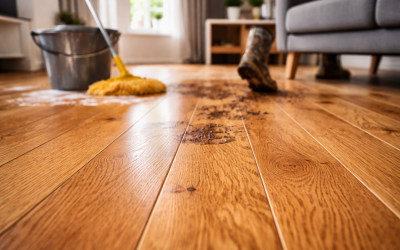
The biggest threat to your wooden floor in Harrow isn’t just heavy footfall; it’s the combination of grit and improper cleaning. Grit acts like sandpaper, slowly grinding away the protective layer. When homeowners use steam mops or generic supermarket cleaners, they often introduce too much moisture or harsh chemicals that can cause ‘grain raising’ or even ‘tannin pull’ in oak. Over time, these products leave a waxy residue that attracts more dirt, making the floor look perpetually grey and lifeless despite frequent cleaning.
If you have an oiled finish, neglecting the maintenance cycle can lead to the timber drying out, making it susceptible to staining from spills like red wine or coffee. Unlike lacquered floors, which are sealed, oiled floors rely on the oil being saturated within the wood fibres. Once that protection is gone, the damage often requires a full re-sand to fix, rather than a simple maintenance top-up.
The Solution: A Tailored Maintenance Plan for Harrow Homes
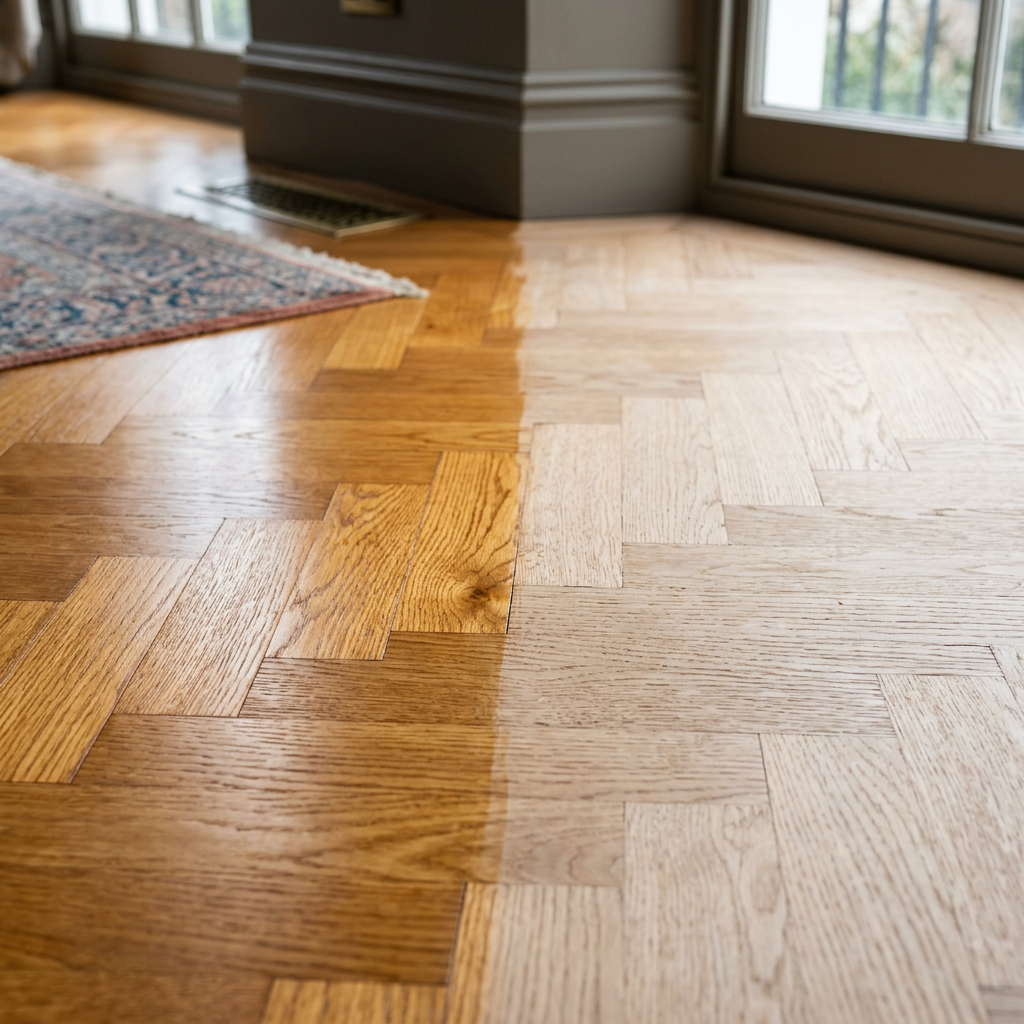
As experts in Floor Sanding London, we recommend a proactive approach to maintenance. The choice between a water-based lacquer and a hardwax oil significantly impacts your long-term aftercare strategy.
Pro-Tip: Managing Osmo Hardwax Oil in UK Humidity
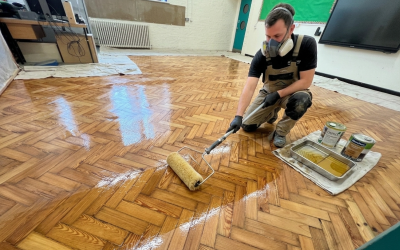
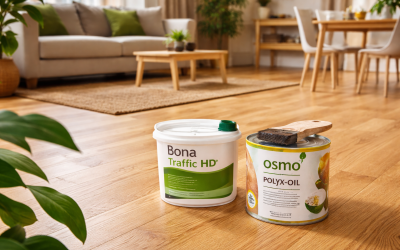
For those who prefer the tactile, matte finish of Osmo Hardwax Oil, understanding the application and curing process is vital. In the typically humid UK climate, particularly in older Harrow properties, we ensure the room is well-ventilated during application. Osmo requires oxygen to cure; without it, the finish remains tacky. We typically apply two thin coats with a microfibre roller. The pro secret is the ‘buff-in’ technique for the first coat, ensuring the oil is driven deep into the timber. Curing takes 8-12 hours per coat, but you should avoid placing heavy rugs or using wet cleaning for at least 10 days until the oil has fully oxidised.
Lacquered Floors: The Low-Maintenance Winner?
If you have a busy household with pets and children, a high-performance lacquer like Bona Traffic HD is often the better choice. It creates a robust, impermeable barrier. Maintenance is simple: vacuum with a soft-brush attachment and use a PH-neutral spray mop. However, unlike oiled floors, you cannot ‘patch repair’ a lacquer. Once a deep scratch goes through to the wood, a full buff and coat (or even a full sand) is eventually required. To prevent this, we recommend high-quality felt pads on all furniture and ‘barrier matting’ at all external entrances to trap grit before it reaches the floor.
Regardless of the finish, always keep an eye on your home’s humidity levels. Ideally, timber floors should stay between 40-60% relative humidity. In the winter, when central heating is high, use a humidifier to prevent the floorboards from shrinking and creating gaps. In the summer, ensure good airflow to prevent cupping.
By following these specialist tips, your restored floor will continue to be the centrepiece of your Harrow home. For more specific advice on restoring parquet floors or to see our top 10 cleaning products, explore our latest blog posts. If you’re unsure about the current state of your finish, contact us for a professional maintenance assessment.